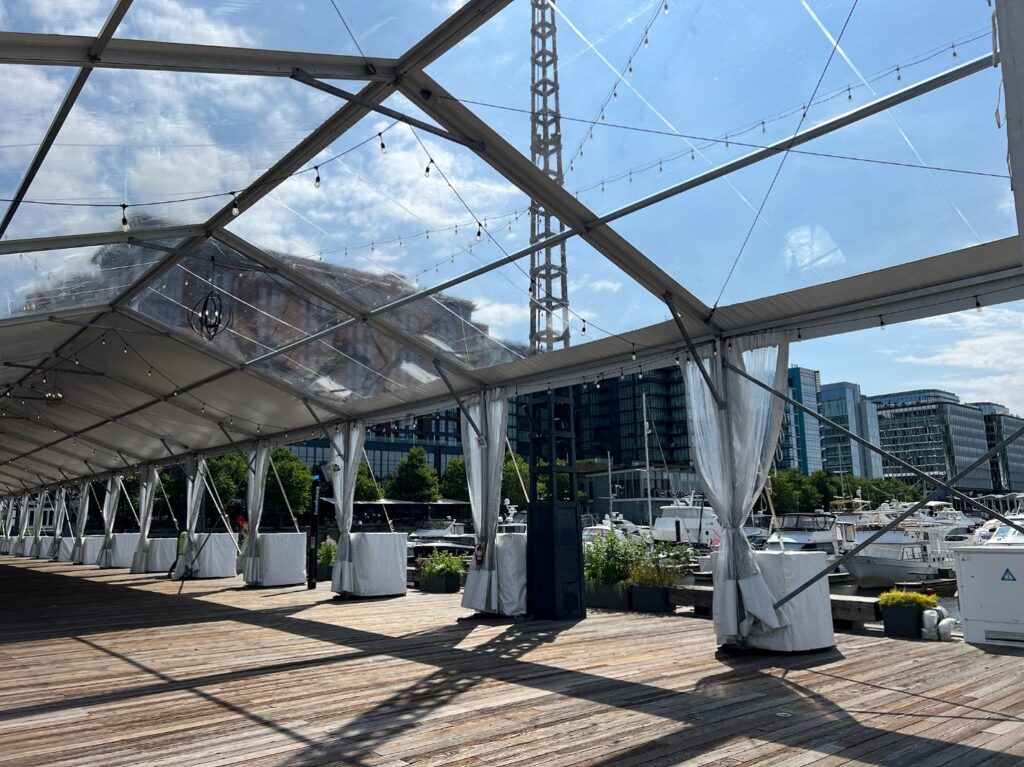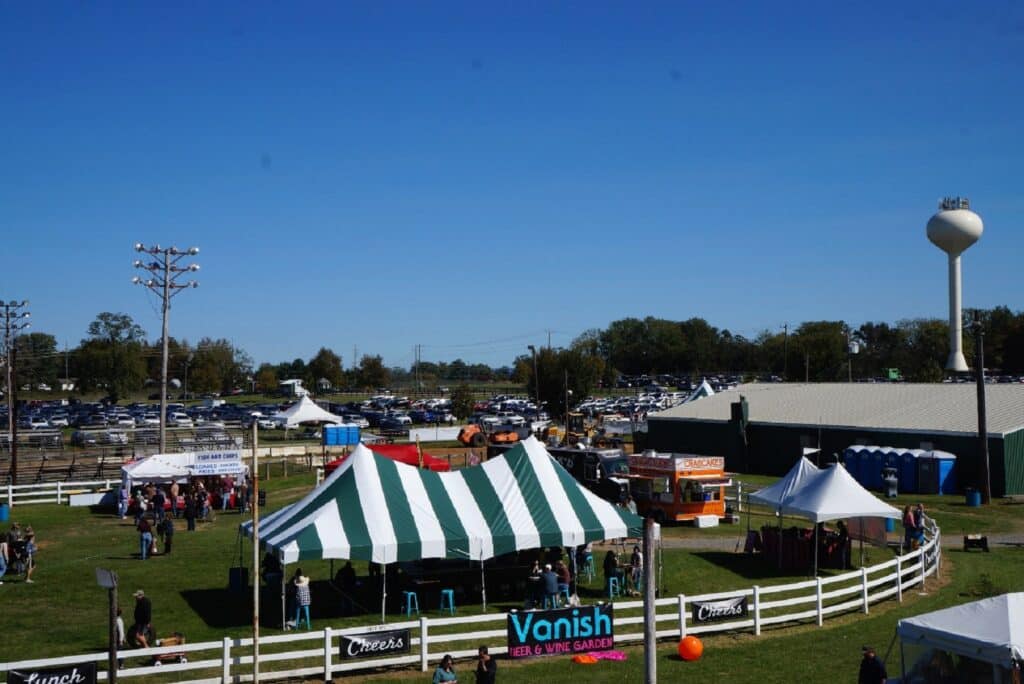

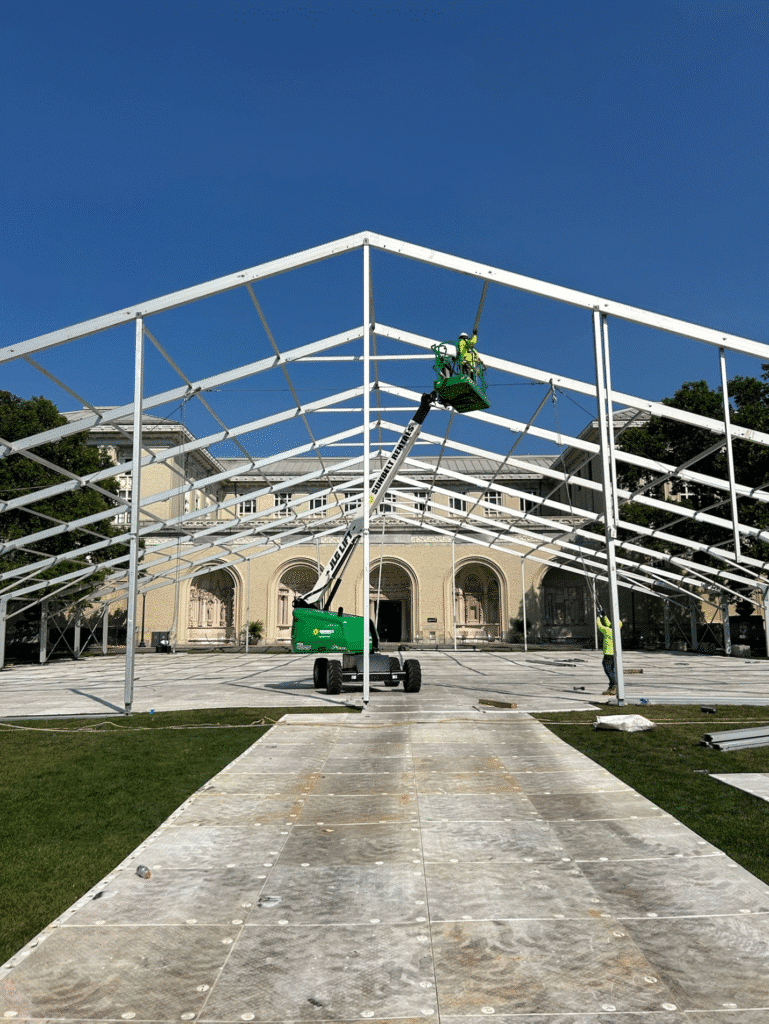
A successful university orientation tent setup does not happen overnight. What students see on move in day or orientation weekend is the result of months of planning, coordination, engineering, and logistics working seamlessly behind the scenes.
From initial site visits to final installation, these large-scale college event tents are carefully designed to create a safe, functional, and welcoming environment for thousands of incoming students and families.
1. Why University Orientation Tents Require Months of Planning:
University orientation events are some of the most important dates on the academic calendar. They set the tone for incoming students and require a space that is both functional and visually impressive.
A properly executed orientation tent installation involves early planning because:
- Attendance numbers are large and constantly refined
- Campus layouts must be carefully evaluated
- Safety and crowd flow are top priorities
- Weather contingencies must be built into the design
- Multiple university departments must coordinate approvals
This is not just a tent setup. It is a fully engineered temporary venue.
2. The Site Walk and Initial Design Phase:
The process often begins months in advance with a detailed site visit and layout assessment.
During this phase, teams evaluate:
- Ground conditions and leveling requirements
- Accessibility for students, vendors, and staff
- Emergency exit routes and crowd flow planning
- Placement of structure tents, flooring, and ancillary spaces
This is where the foundation of the university event tent design is established.
3. Engineering the Structure Tent System:
Once the layout is approved, the focus shifts to the structure tent system design.
For university orientation events, structure tents are typically selected because they offer:
- Large clear span interior space with no center poles
- High capacity for thousands of guests
- Modular expansion options
- Reliable weather resistance
These features make them ideal for creating a central hub for registration, check-in, welcome sessions, and student engagement zones.
4. The Importance of Event Flooring:
A critical part of the build is temporary event flooring for tents.
University campuses often include grass fields, courtyards, or uneven terrain. Flooring ensures:
- Safe and stable walking surfaces
- ADA compliant accessibility
- Protection of campus grounds
- Clean, professional appearance
For orientation events, flooring also helps define different functional areas within the tent, improving flow and organization.
5. Coordinating Logistics and Campus Operations:
One of the most complex parts of building a college orientation tent setup is coordination.
Multiple stakeholders are involved, including:
- University event planning teams
- Campus facilities and operations
- Security and emergency services
- Vendors and production teams
Each detail must be aligned, from installation timing to load in schedules, ensuring minimal disruption to campus life.
6. The Build Week: Turning Plans into Reality:
After months of preparation, build week arrives.
This is when the site transforms from an open space into a fully functioning university orientation event venue.
The process typically includes:
- Ground preparation and layout marking
- Installation of structure tent systems
- Flooring assembly and finishing
- Lighting, power, and infrastructure setup
- Final walkthroughs and safety checks
Every component must be executed with precision to meet strict timelines.
7. Creating a Welcoming Student Experience:
Beyond logistics, the goal of a university orientation tent is to create an environment that feels welcoming, organized, and exciting for new students.
Inside the tent, spaces are often designed for:
- Student check in and registration
- Welcome presentations and speeches
- Information booths and campus resources
- Social interaction and networking areas
The structure becomes the first impression students have of campus life.
8. Safety, Weather, and Contingency Planning:
Because orientation events happen in peak summer or transitional seasons, weather planning is essential.
A properly engineered structure tent for university events includes:
- Wind load and weather rated engineering
- Drainage and water management considerations
- Emergency access planning
- Backup layouts for changing conditions
This ensures the event can continue smoothly regardless of weather.
9. The Final Result: A Fully Built Campus Experience:
When everything comes together, the result is more than just a tent. It is a temporary campus hub designed to support thousands of students as they begin a new chapter in their lives.
The university orientation tent build process represents months of collaboration, problem solving, and expertise all coming together in a single installation.
10. Behind Every Tent is a Team:
What most people see is the final structure. What they do not see is the planning, engineering, coordination, and dedication required to bring it to life.
Every successful college orientation tent installation is the result of a team committed to precision and execution at every stage.