
1. Introduction:
In the great outdoors, having the right gear for activities like camping, climbing, and trekking can mean the difference between a fun and memorable trip. The trekking tent is one of the most important parts of any camping gear. When you’re out enjoying the great outdoors, it gives you a place to stay safe and comfortable. Whether you’re an expert adventurer or a beginner planning your first trekking trip, knowing what a trekking tent is and how it works will help you make a smart choice. That’s all you need to know about hiking tents in this guide, from the different kinds to how to pick the best one for your needs.
2. What is Trekking Tent?
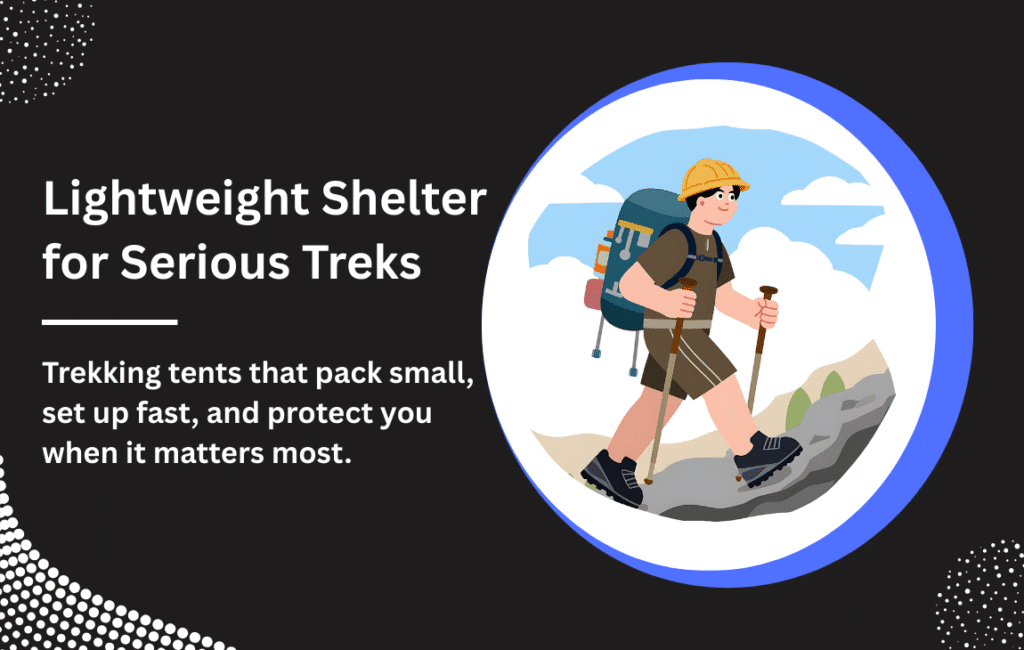
A trekking tent is a lightweight, portable shelter made for people who love the outdoors and go on long camping or trekking trips. It is common for these tents to be small, light, and durable enough to resist problems caused by changing weather. Trekking tents are smaller than regular camping tents and are meant to be set up in a car or somewhere else fixed. They are made to be carried on your back as you hike through rough terrain.
2.1. How to Use Trekking Tents:
People who like to explore rural areas and need to stay the night during their trips need trekking tents. Trekkers can stay safe and relaxed in these tents because they protect them from the weather and help them get a good night’s sleep. The fact that these tents are small and light makes them perfect for long hikes where weight and room in your pack are important.
2.2. Who Uses Trekking Tents in the U.S.?
In Trekking tents are often used by hikers, campers, mountain climbers, and other adventure tourists in the United States who like to explore the outdoors. These tents are good for people who want to camp during a multi-day trekking trip, long-distance hiking, or an expedition into the wilderness.
2.3. Trekking Tent vs. Regular Camping Tent:
Trekking tents are usually smaller, lighter, and more compact than regular camping tents, but they can still be used for the same things. Trekking tents are made to be portable and easy to set up, which makes them perfect for people who are always on the go. Regular camping tents, on the other hand, tend to be bigger, heavy, and better for car camping, where weight is not as important.
3. Different Kinds of Tents for Trekking:
It’s important to think about the different types of hiking tents when making your choice. Most hiking tents are one of the following:
3.1. Solo Trekking Tents:
These tents are made for hikers who are going on a trip by themselves and need a light, small shelter. These tents are small enough for one person and their stuff, but not too small. They are easy to carry and set up.
3.2. Two-Person Trekking Tents:
These tents are made for two people, as the name suggests. Their form makes them light while still giving you more space than solo tents. This kind of tent is great for camping trips with a partner, friends, or a couple.
3.3. Four-Season Trekking Tents:
It is made so that four-season hiking tents can stand up to bad weather like snow, strong winds, and heavy rain. These tents are great for winter hiking or trips to high elevations because they are usually made of stronger, more durable materials.
3.4. Ultralight Trekking Tents:
Extremely light trekking tents are the best way to keep your stuff as light as possible. The modern materials used to make these tents make them lighter without lowering their sturdiness. For long walks where every ounce counts, these are great.
4. How to Pick Best Trekking Tent:
There are so many choices that it can be hard to pick the right hiking tent. To help you choose, think about the following decision criteria:
4.1. Trekking Duration:
The length of your trek will tell you what size and amount of comfort tent you need. A one- or two-person tent might be enough for a short trip, but for longer hikes, you might need more room or extra features.
4.2. Weather Conditions:
If you’re going hiking in bad or unpredictable weather, you need a trekking tent with a strong frame and waterproof materials. If you want to hike in snow or other harsh conditions, look for tents that can be used all year.
4.3. Weight & Pack Size:
The weight of your tent has a big effect on how much you enjoy hiking. You can take lighter tents on long hikes, but they might not have as much room or comfort. If you want to save a lot of weight without sacrificing durability, look into ultralight choices.
4.4. Terrain:
It also matters what kind of land you’ll be walking through. For rough, hilly terrain, you will need a tent with a strong frame that can stand up to the weather. You might be able to choose lighter, smaller items in flat, easy-to-reach places.
4.5. Ventilation & Space:
For condensation to not form inside your tent, you need to make sure it has good airflow. For more air flow, look for tents with mesh walls or windows. Also, make sure the tent has enough room for you to sleep easily and store your things.
5. Cost & Price Range of Trekking Tents in the U.S:
There is a wide range in prices for hiking tents based on things like size, brand, and material. In the U.S. market, these are some general price ranges you can look forward to:
- Budget Options: Costs Pick from $50 to $150 Most of the time, these tents are made with cheap materials, so they might not last as long or be as resistant to the weather as more expensive models. They’re good for short trips when the weather isn’t too bad.
- Mid-Range Options: $150 to $350 The weight, sturdiness, and comfort of these tents are all just right. Most of the time, they are made with better materials and can be worn in a variety of weather.
- Premium Choices: $350 to $600 or more High-end hiking tents are made from high-quality materials that are resistant to weather, last a long time, and are comfortable. These tents are made for serious hikers who go into harsh environments or need a light, long-lasting shelter for long walks.
The price can be changed by things like the materials used, the name of the brand, and any unique features (like being waterproof or built to be very light).
6. How to Make a Tent for Trekking (DIY Process):
Usually, buying a hiking tent is the best choice, but some daring people might think about making their own. Take a look at the steps:
6.1. Materials Required:
- Tent Fabric: Nylon or polyester, which is light but strong and doesn’t get wet easily, is often used.
- Frame: Metal or fiberglass sticks are often used for the frames because they are strong and light.
- Waterproofing Materials: Coatings of silicone or polyurethane are put on the cloth to make it more resistant to water.
- Stakes and Guy Lines: To keep the tent in place, use stakes and guy lines.
6.2. Frame & Fabric Selection:
The frame is generally made to be strong and light, so it can stand up to strong winds and bad weather. It was chosen because it can stand up to wind and rain while still being light enough to take.
6.3. Stitching & Waterproofing:
When you make something, you have to seal the seams so that water doesn’t get through. The cloth is then treated to make it waterproof.
6.4. Assembly Steps:
Important parts of putting together a tent are building the frame, connecting the fabric, and setting up the waterproof layers. Each piece is carefully put together to make sure it will last and keep out the weather.
6.5. Quality Checks:
A good do-it-yourself hiking tent needs to be tested a lot. Before you take the tent on a trip, make sure it is well-stitched, waterproof, and in good shape overall.
7. Time Required to Make a Trekking Tent:
It takes a lot of time and work to make a hiking tent by hand. It could take anywhere from 30 to 60 hours on average, based on how hard the design is, where you get the materials, and how good you are at sewing.
- 5 to 10 hours for design and planning
- Finding materials takes 5 to 10 hours.
- 15 to 40 hours for building and stitching
- Five to ten hours for quality checks and testing
You can make your own hiking tent, but it takes a lot of skill and time. For most hikers, it’s easier and more convenient to buy a tent that’s already made.
8. Benefits of Trekking Tents:
Trekking tents are useful for outdoor lovers in a number of ways:
- Easy to Carry: Trekking tents are small and light, so they are simple to pack up and bring on long walks.
- Quick Setup: Most hiking tents are made to be set up quickly and easily, which will save you time on your trip.
- Protection from the Weather: A good hiking tent will keep you dry in the rain, wind, and other weather conditions.
- Ideal for Out in the Wild: Trekking tents are great for camping in the great outdoors, where other types of shelters might not be available.
9. Pros & Cons of Trekking Tents:
Pros:
- Lightweight and easy to carry
- Strong and immune to the weather
- Easy and quick to set up
- Easy to walk on and safe for long hikes
Cons:
- There might not be as much room as in bigger tents.
- Might cost more, especially high-end types
- Needs the right care to keep being waterproof and long-lasting
10. Common Use Cases for Trekking Tents:
For many outdoor pastimes, trekking tents are perfect, such as
- Hiking Trips: Great for backcountry trips or hikes that last more than one day.
- Trekking in the mountains: Strong enough to handle the rough weather of the mountains.
- Camping on Long Trails: This is a must for people who want to go on long hikes or trips.
- Adventure Travel: Adventure travel is great for people who like to explore and want to go to remote or rough places.
11. Alternatives to Trekking Tents:
Even though trekking tents are great, here are some other places you might want to think about:
- Bivy Bags: Bivy bags are a simple way to stay warm for people who want to lose weight.
- Hammocks: Hammocks are good for warm weather because they are light and let air flow through.
- Standard Camping Tents: Normal camping tents are bigger and cozier, but they’re not as good for hiking.
- Shelters: Shelters are simple buildings that look like tarps and keep rain out.
12. Frequently Asked Questions(FAQs):
12.1. What do you do with a hiking tent?
People who like to hike, trek, or go on adventures use trekking tents as portable shelters to stay safe and comfy on overnight trips outside.
12.2. How much does a tent for hiking weigh?
Depending on its size and style, a hiking tent can weigh anywhere from 2 to 6 pounds.
12.3. Can hiking tents stand up to wind and rain?
Yes, hiking tents are made to be weatherproof, and many of them are very good at keeping out rain and wind.
12.4. How long does it take to set up a tent for hiking?
Based on the type and the person using it, most trekking tents can be set up in 5 to 15 minutes.
12.5. Is it useful to make your own hiking tent?
Most people find it hard to make their own hiking tents because they need to know how to do it, have the right tools, and take a lot of time.
13. Conclusion:
For people who love the outdoors, trekking tents are essential gear that will keep them safe, comfortable, and protected on their trips. Think about things like weight, weather strength, and how easy it is to set up when picking out a trekking tent. Whether you’ve been hiking before or this is your first time, knowing the different types and features of trekking tents will help you pick the right one for your needs.
Are you ready to begin your journey? Check out a number of trekking tents to get the best one for your next trip.